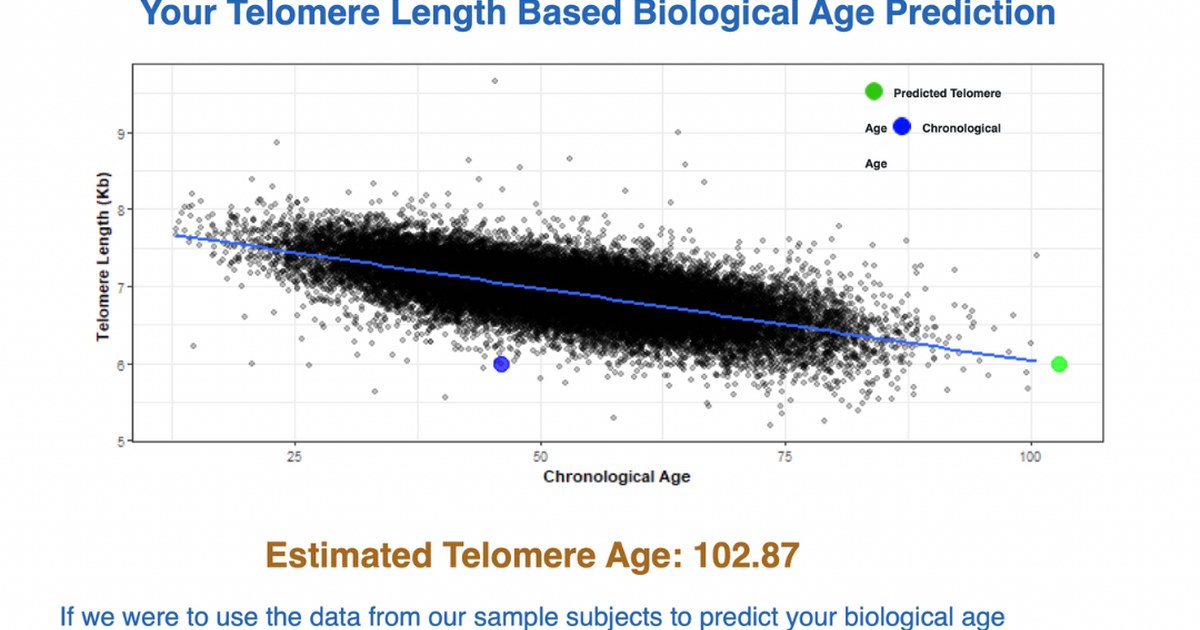
As a health and wellness practitioner, I have dedicated my professional life to helping others achieve their best health. Today I want to share something deeply personal: my biological age result based on my telomere length — and what it revealed about the real cost of the years I spent working overnight hospital shifts.
What Telomeres Tell Us
Telomeres are the protective caps at the ends of our chromosomes, akin to the plastic tips on shoelaces. They play a crucial role in preserving genetic information during cell division. Over time, as cells divide, telomeres naturally shorten. This shortening can be significantly accelerated by chronic stress and insufficient sleep. When telomeres become too short, cells can no longer divide properly, leading to accelerated aging and increased risk of disease.
My Results — and What They Reflected
Receiving my biological age result was a moment of genuine reflection and humility. Despite my knowledge and my commitment to health, the results revealed the toll that years of high stress and sleep deprivation had taken at the cellular level.
My time working overnight shifts in the hospital was particularly consequential. The constant pressure, the life-or-death situations, the relentless pace — these left little room for rest or recovery. Working nights was a test of endurance. I vividly remember the long, sleepless nights where the goal was simply to keep patients alive with a skeleton crew of staff. The emotional and physical demands were immense, and my body bore the brunt of those years.
The research supporting this is compelling. Studies of nurses who worked rotating night shifts for more than five years found a 15–20% increased risk of all-cause mortality, as well as higher incidences of cardiovascular disease and cancer — direct consequences of disrupted circadian rhythms and chronic sleep deprivation.
What I Did With That Information
Seeing these results reinforced my commitment to prioritizing my own health in a way that felt different from before — more urgent, and more personal.
Honoring my own biology became a non-negotiable. That means:
- Reducing the stress burden deliberately — not just through techniques, but by reorganizing how I work
- Getting adequate, consistent sleep — treating it as the physiological requirement it is, not a variable I can compress when things get busy
- Supporting methylation and cellular repair through targeted nutrition (the methyl-donor nutrients that directly influence DNA methylation and epigenetic aging)
- Using epigenetic testing (TruAge) to establish a biological age baseline and track whether my interventions are moving the needle
How This Shapes the Work I Do
This experience has also deepened the work I do with clients. Understanding firsthand the effects of chronic stress and sleep deprivation has given me a different kind of empathy — and a more granular appreciation for how long-term physiological stress accumulates quietly, invisibly, in ways that standard annual labs will never show.
Many of my clients face significant stressors that have been compounding for years: overnight shifts, high-stakes careers, caregiving demands layered on top of the hormonal transitions of perimenopause. The biological age conversation gives them something concrete — a number that represents accumulated physiological stress, and a measurable target for reversal.
Because the research is clear: biological age is modifiable. The epigenetic patterns that accelerate cellular aging are responsive to lifestyle intervention. This is not wishful thinking. It is measurable, trackable science.
If you are carrying a heavy stress load — whether from your career, your history, or the demands of midlife — your cells are keeping score. The good news is that the score can change.
Ready to look at the full picture?
Book a complimentary Wellness Deep Dive — up to an hour to explore your health concerns in real depth and understand what a personalized approach could look like for you.
The content on this blog is for informational and educational purposes only and is not intended as medical advice, diagnosis, or treatment. Always consult with a qualified healthcare provider before making changes to your diet, supplements, or health protocols.