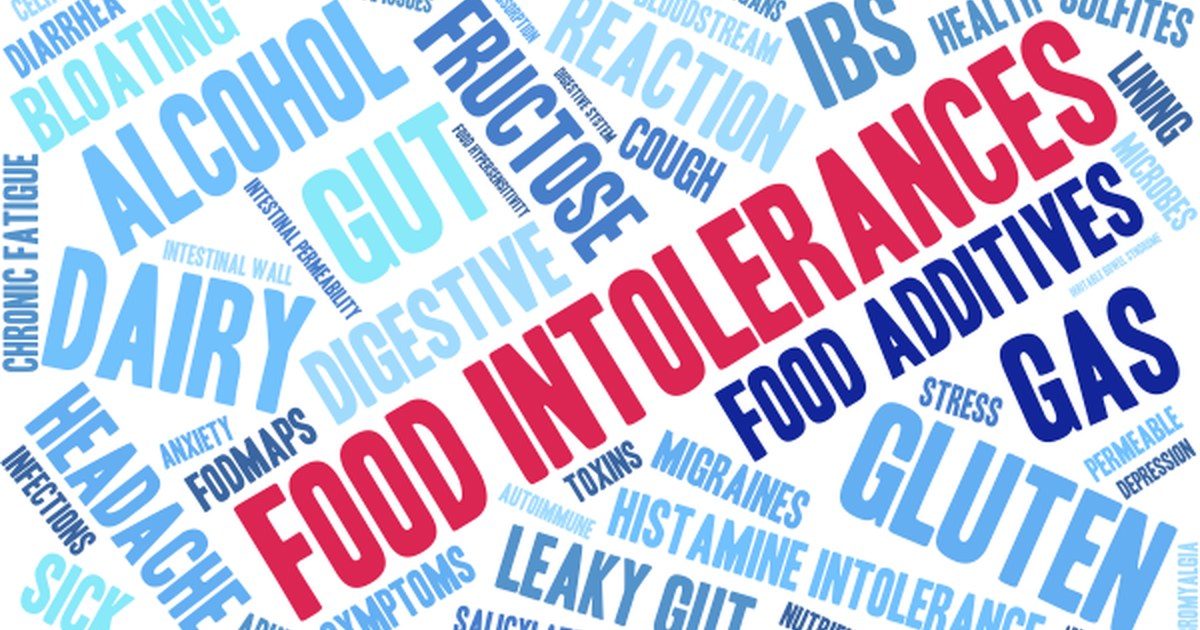
Histamine intolerance is one of the most underrecognized contributors to the constellation of symptoms women bring to my practice: migraines, anxiety, skin flushing, insomnia, bloating, irregular cycles, and a sense that the body is reacting to things that never used to be a problem.
Here’s a clear picture of what histamine intolerance is, why it’s often missed, and — critically for women in perimenopause — why the estrogen connection changes everything.
What Is Histamine?
Histamine is a naturally occurring compound with important functions in the body: it regulates immune responses, stimulates stomach acid production, and acts as a neurotransmitter in the brain. Under normal circumstances, the body maintains histamine balance through two primary enzymes — DAO (diamine oxidase) and HNMT (histamine N-methyltransferase) — which break down histamine from food and cellular sources.
When this breakdown mechanism fails, histamine accumulates. The result is a wide range of symptoms that can look like allergy, anxiety, digestive dysfunction, or hormonal imbalance — because, in a meaningful sense, it is all of these things at once.
Symptoms of Histamine Intolerance
The condition manifests differently across individuals, which is part of why it’s so frequently missed. Common presentations include:
- Digestive symptoms: Bloating, diarrhea, abdominal pain, or nausea — often worse after meals or high-histamine foods
- Neurological effects: Headaches, migraines, dizziness, brain fog, or anxiety — particularly in the evening or at night
- Skin reactions: Flushing, hives, eczema, or itching that seems to come and go without clear trigger
- Respiratory symptoms: Nasal congestion, sneezing, or asthma-like symptoms
- Cardiovascular changes: Racing heart, palpitations, or low blood pressure
- Menstrual and hormonal irregularities: Severe PMS, worsening symptoms at specific cycle phases, or irregular cycles
The cycle-related pattern is one of the most telling clues for women. If symptoms consistently worsen at certain points in the month, the estrogen-histamine relationship is worth investigating.
Root Causes of Histamine Intolerance
Enzyme Deficiency
The most direct cause is reduced activity of DAO — the enzyme responsible for breaking down histamine in the gut. Low DAO activity can be:
- Genetic — certain variants reduce baseline DAO capacity
- Acquired — gut inflammation, intestinal permeability (leaky gut), SIBO, and certain medications (NSAIDs, antibiotics, antidepressants) all reduce DAO activity
- Nutritional — DAO requires vitamin B6, copper, and vitamin C as cofactors; deficiencies in any of these impair its function
HNMT, the tissue-based histamine-clearing enzyme, can also be impaired through genetic variants or metabolic overload.
Gut Dysbiosis
The gut microbiome plays a dual role in histamine metabolism: certain bacteria produce histamine (histamine-generating bacteria), while others break it down. When dysbiosis allows histamine-producing bacteria to overgrow, the histamine load in the gut increases independently of dietary intake. This is why a low-histamine diet alone often fails to resolve symptoms — the problem isn’t only dietary; it’s microbial.
Intestinal permeability allows histamine and other inflammatory compounds that should remain in the gut lumen to enter systemic circulation, amplifying the systemic load.
The Estrogen Connection
This is the piece that most directly affects perimenopausal women: estrogen and histamine exist in a bidirectional relationship.
Estrogen stimulates histamine release and inhibits DAO activity. Histamine, in turn, stimulates estrogen production and can impair DAO further. This creates a self-reinforcing cycle that worsens in perimenopause when estrogen fluctuates unpredictably — spiking erratically before declining — rather than following the relatively stable patterns of younger cycles.
For women in this transition, histamine symptoms often become significantly worse precisely because estrogen volatility amplifies both histamine production and impairs its clearance simultaneously.
Chronic Stress
Stress depletes DAO enzymes, impairs digestion (reducing histamine clearance capacity), and increases histamine release through inflammatory mechanisms. This is why symptoms often intensify during high-stress periods, independently of dietary changes.
Steps to Address Histamine Intolerance
Identify triggers accurately. Keeping a food and symptom diary is useful, but incomplete — histamine intolerance is not simply a dietary issue. The microbial and hormonal drivers are often as significant as food triggers.
Heal the gut. A nutrient-dense, anti-inflammatory dietary pattern, strategic probiotic selection (histamine-degrading rather than histamine-producing strains matter here), and support for intestinal barrier integrity address the microbial root.
Support enzyme function. DAO cofactors — vitamin B6, copper, magnesium — may be worth assessing and supplementing under qualified guidance. DAO enzyme supplements can also provide temporary symptomatic relief while root causes are addressed.
Balance hormones. In perimenopausal women, addressing estrogen volatility through functional support — estrogen detox pathways, estrobolome health, stress regulation — reduces one of the primary drivers of histamine accumulation.
Reduce stress systematically. Not as a lifestyle add-on, but as a clinical priority. Chronic HPA axis activation depletes the enzymatic machinery responsible for histamine clearance.
Histamine intolerance, while genuinely challenging to navigate, is a comprehensible problem with identifiable root causes. A functional medicine approach — testing the gut, hormones, and histamine pathway markers together — gives you the precision to address what’s actually driving the problem rather than managing symptoms indefinitely.
Ready to look at the full picture?
Book a complimentary Wellness Deep Dive — up to an hour to explore your health concerns in real depth and understand what a personalized approach could look like for you.
The content on this blog is for informational and educational purposes only and is not intended as medical advice, diagnosis, or treatment. Always consult with a qualified healthcare provider before making changes to your diet, supplements, or health protocols.