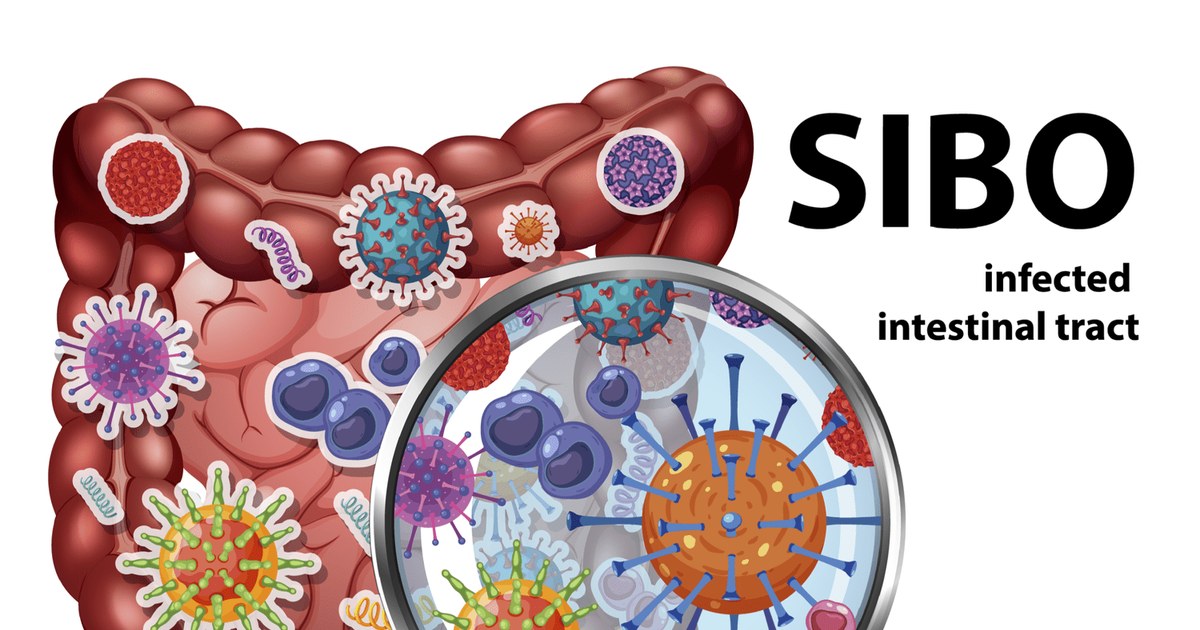
Perimenopause is a natural phase in a woman’s life, signaling the transition to menopause. During this time, many women experience various symptoms like hot flashes, mood swings, and changes in their menstrual cycle. However, one often overlooked aspect of perimenopause is how hormonal shifts can impact digestive health, particularly through a condition known as SIBO — Small Intestinal Bacterial Overgrowth.
If you’re experiencing digestive issues during perimenopause, it could be due to the interplay between your changing hormones and your gut. Here’s how hormonal changes contribute to SIBO and what you can do about it.
What Is SIBO?
SIBO occurs when there is an overgrowth of bacteria in the small intestine. This condition can cause a variety of unpleasant symptoms, including bloating, gas, constipation, diarrhea, and even brain fog or fatigue. Since the small intestine is responsible for nutrient absorption, bacterial overgrowth can interfere with this process, leading to nutrient deficiencies and discomfort.
The Role of Estrogen in Gut Health
Estrogen plays a crucial role in maintaining the health of the digestive system. It helps to regulate gut motility — the movement of food and waste through the digestive system — and maintains the integrity of the gut lining. When estrogen levels decline during perimenopause, gut motility may slow down, leading to intestinal stasis: a state where food and bacteria remain in the small intestine longer than they should. This creates an environment where bacteria can thrive and multiply, laying the groundwork for SIBO.
Progesterone and Its Impact on Digestion
In addition to estrogen, progesterone plays a role in gut health by promoting smooth muscle relaxation and ensuring that food moves efficiently through the digestive tract. As progesterone levels decline in perimenopause, gut motility can slow even further, contributing to bacterial overgrowth. This sluggish digestion can exacerbate symptoms of bloating, constipation, and discomfort — common in both SIBO and perimenopause.
Gut Motility and the Migrating Motor Complex
The migrating motor complex (MMC) is a wave-like movement that helps clear bacteria and undigested food from the small intestine between meals. Estrogen and progesterone help regulate this process, so when these hormones decline, the MMC can become less effective. A compromised MMC means that bacteria are not being cleared as efficiently, setting the stage for overgrowth in the small intestine.
Stress and the Cortisol Connection
It’s no secret that perimenopause can be a stressful time. The fluctuation of hormones can lead to mood swings, anxiety, and increased stress levels. Chronic stress increases the production of cortisol, the body’s primary stress hormone. Elevated cortisol can disrupt digestive function by slowing motility, altering the gut microbiome, and reducing the effectiveness of the MMC. This stress-induced digestive slowdown can contribute to or worsen symptoms of SIBO.
The Microbiome Shift During Perimenopause
Hormonal changes also impact the gut microbiome — the diverse community of bacteria that reside in the gut. Estrogen has been shown to help maintain a healthy balance of gut flora. As estrogen levels drop in perimenopause, the composition of the gut microbiome can change, potentially allowing harmful bacteria to thrive, which may further exacerbate SIBO.
Managing the Connection Between SIBO and Hormonal Changes
If you’re dealing with both hormonal imbalances and digestive issues like SIBO, there are steps you can take to address the root causes:
Hormone balance through a functional lens. Working with a practitioner to assess your hormone picture — through tools like DUTCH complete hormone testing — can identify where estrogen and progesterone are in the transition and how they’re interacting with gut function. Dietary adjustments, stress management, and targeted support can all shift the hormonal environment that’s feeding bacterial overgrowth.
Gut health support. Supporting motility through prokinetic strategies, a high-fiber diet, and anti-inflammatory nutrition (omega-3 fatty acids, polyphenol-rich plants) helps move things along and prevents the stasis that allows SIBO to take hold.
Stress regulation as a clinical priority. Reducing the cortisol burden through targeted nervous system regulation — not just general stress management advice — directly supports MMC function and gut motility.
Accurate testing. SIBO breath testing identifies the type and severity of bacterial overgrowth, which informs the approach to resolving symptoms. Combined with comprehensive stool analysis and hormone testing, this gives a full picture of what’s driving symptoms rather than guessing.
SIBO and perimenopausal hormonal changes often go hand in hand. By understanding the connection between your hormones and gut health, you can take proactive steps to address both. If you’re struggling with digestive issues and hormonal imbalances, a functional medicine approach can help guide you through the necessary testing and sequenced interventions to restore balance in both areas.
Ready to look at the full picture?
Book a complimentary Wellness Deep Dive — up to an hour to explore your health concerns in real depth and understand what a personalized approach could look like for you.
The content on this blog is for informational and educational purposes only and is not intended as medical advice, diagnosis, or treatment. Always consult with a qualified healthcare provider before making changes to your diet, supplements, or health protocols.